Two Wolves Within Us

Two Wolves Within Us

Two Wolves With In Us - [Tale of Two Wolves]

The “Tale of Two Wolves” is a powerful Cherokee story illustrating the inner conflict we all face. It describes two wolves inside us: one symbolizing negative qualities like anger, hurt, jealousy, and ego, while the other embodies joy, peace, love, and truth. When a young boy asks which wolf wins, his grandfather responds, “The one you feed,” emphasizing that our choices determine whether good or bad qualities dominate our lives. This story serves as a reminder to nurture positive traits within ourselves, as what we focus on shapes who we become.

This goes the same for the CHANGING of choices, bad choices that were made for you. That means, for example, if you had or have a not so nice upbringing, your parents were bad parents, you are having issues at school or work, you've grown up in an environment thats made you angry, sad, combative - make the conscience choice to change. As in the video, it may be a war at first within you - however, persist, strive for a better existance. Don't be afraid to let go of people - it's there loss, you're gain and not the end of the world!

Accountability MIA

Accountability MIA

Accountability (noun):

The fact or condition of being accountable; responsibility.

For Example:

Their lack of accountability has led to #whatdoiknow having to point out the glaring fact - even your feelings need to be accountable. With accountability being MIA, its mate the blame game will move in.

Accountability refers to the obligation (Responsibility, Duty, Requirement) of an individual, group or organization to account for their actions, accept responsibility for them, and disclose the results in a transparent manner. It is often related to the expectation of being answerable for fulfilling duties or upholding responsibilities. However, one is also accountable on at a personal level and this is where MIA coms into play

More importantly its the accepting and taking responsibity for your own decisions, actions and words. This means when something goes right, you have the right to be proud and accept the accelades however, it also means when something goes wrong, we are accountable and take responsibility for our own actions.

Unfortunately, like respect, manners and logic - accountability has become MIA - Missing in action! Missing in action I mean gone, disappeared and this is evident in everything going on and going wrong with society today - no matter where you look. In a world with no accountability there can only be chaos distrust and destruction. All of this happening in silence under the guise and behind the excuses of "Changing Times", "keeping with the times", "and seen to be doing the right thing rather than doing the right thing".

This is not OK, whether you're C-Suite Management, Law Enforcement or Joe Bloggs in the street - you HAVE TO BE ACCOUNTABLE  for yourself and your actions. This should be taught to you at home by your parents and in schools. It is very simple!

Being accountable means taking responsibility for your actions and being ready to explain or face the consequences of what you do. It’s about being honest, owning up to mistakes, and making things right when necessary.

Accountability Responsibility Onus Respect Duty Requirement Right Culpability Answerability Wrong
Psalm 23

Psalm 23

The Lord is my shepherd, I shall not lack.

He makes me lie down in green pastures; He leads me beside still waters.

He restores my soul; He guides me in the paths of righteousness for His name’s sake.

Even though I walk through the valley of the shadow of death, I will fear no evil, for You are with me; Your rod and Your staff, they comfort me.

You prepare a table before me in the presence of my enemies; You anoint my head with oil, my cup overflows.

Surely goodness and kindness will follow me all the days of my life, and I will dwell in the house of the Lord for length of days.

ה’ רֹעִי לֹא אֶחְסָר

בִּנְאוֹת דֶּשֶׁא יַרְבִּיצֵנִי, עַל מֵי מְנֻחוֹת יְנַהֲלֵנִי

נַפְשִׁי יְשׁוֹבֵב, יַנְחֵנִי בְמַעְגְּלֵי צֶדֶק לְמַעַן שְׁמוֹ

גַּם כִּי אֵלֵךְ בְּגֵיא צַלְמָוֶת, לֹא אִירָא רָע כִּי אַתָּה עִמָּדִי, שִׁבְטְךָ וּמִשְׁעַנְתֶּךָ הֵמָּה יְנַחֲמֻנִי

תַּעֲרֹךְ לְפָנַי שֻׁלְחָן, נֶגֶד צֹרְרָי; דִּשַּׁנְתָּ בַשֶּׁמֶן רֹאשִׁי, כּוֹסִי רְוָיָה

אַךְ טוֹב וָחֶסֶד יִרְדְּפוּנִי, כָּל יְמֵי חַיָּי; וְשַׁבְתִּי בְּבֵית ה’ לְאֹרֶךְ יָמִים

FUPS – What is it?

FUPS – What is it?

FUPS (Fucked Up Parent Syndrome): A term describing the detrimental impact of poor parenting on children, encompassing a wide range of behaviors that negatively influence a child’s development. This includes commonly recognized forms of bad parenting, such as neglect or abuse, as well as more complex issues like parental alienation. FUPS highlights the use of children as tools or pawns in parental conflicts, where one parent manipulates the child to harm the other, resulting in psychological harm to the child. The syndrome also covers the long-term effects of these behaviors, which can extend into the child’s adulthood. FUPS underscores the lasting consequences of dysfunctional family dynamics on a child’s emotional and mental well-being.

End Result of FUPS: Children who grow up under the influence of FUPS often carry significant emotional scars into adulthood. Without guidance from someone close, who helps them understand that the negative experiences were not their fault, these individuals may internalize blame, leading to self-esteem issues and ongoing emotional turmoil. Recognizing and accepting that their feelings and experiences were shaped by external factors, not by any fault of their own, is crucial. This realization is the key to healing, allowing them to let go of misplaced guilt and move forward, fostering personal growth and a healthier outlook on life.

Broadly summed up as Cause & Affect;

Neglect or Abuse: Physical, emotional, or psychological harm inflicted by parents.

Parental Alienation: One parent manipulating a child against the other parent.

Using Children as Pawns: Parents leveraging their children in conflicts to hurt the other parent.

Dysfunctional Family Dynamics: Persistent conflicts, instability, and unhealthy relationships within the family.

Lack of Emotional Support: Failure to provide necessary affection, understanding, and guidance to the child.

Effects of FUPS:

Emotional Scars: Long-lasting psychological damage, leading to issues such as anxiety, depression, and low self-esteem.

Internalised Blame: Children may wrongly believe they are at fault for the negative experiences and emotions they face.

Impaired Relationships: Difficulty in forming and maintaining healthy relationships in adulthood.

Ongoing Emotional Turmoil: Persistent feelings of guilt, shame, or unworthiness.

Delayed Healing: Without external support or intervention, individuals may struggle to overcome these challenges, hindering personal growth and emotional recovery.
Sometimes …

Sometimes …

WDIK

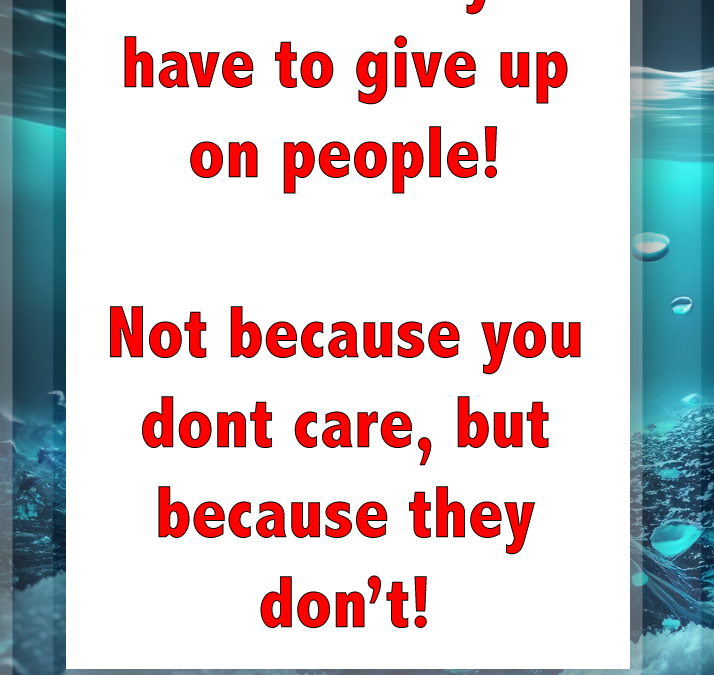
Sometimes, you just have to walk away from people who don’t value you. It’s not easy, but knowing your self-worth is crucial. If someone doesn’t show the same level of care or commitment, it’s time to step back for your own well-being. Staying in a toxic relationship only leads to more pain and drama.

The longer you stay, the bigger your problems get, like a snowball rolling out of control. To avoid this, sometimes you need to fold and walk away—whether it’s a family member, partner, colleague, or even a stranger. Remember Kenny Rogers’ song “The Gambler”: know when to hold ’em, fold ’em, and when to walk away.